
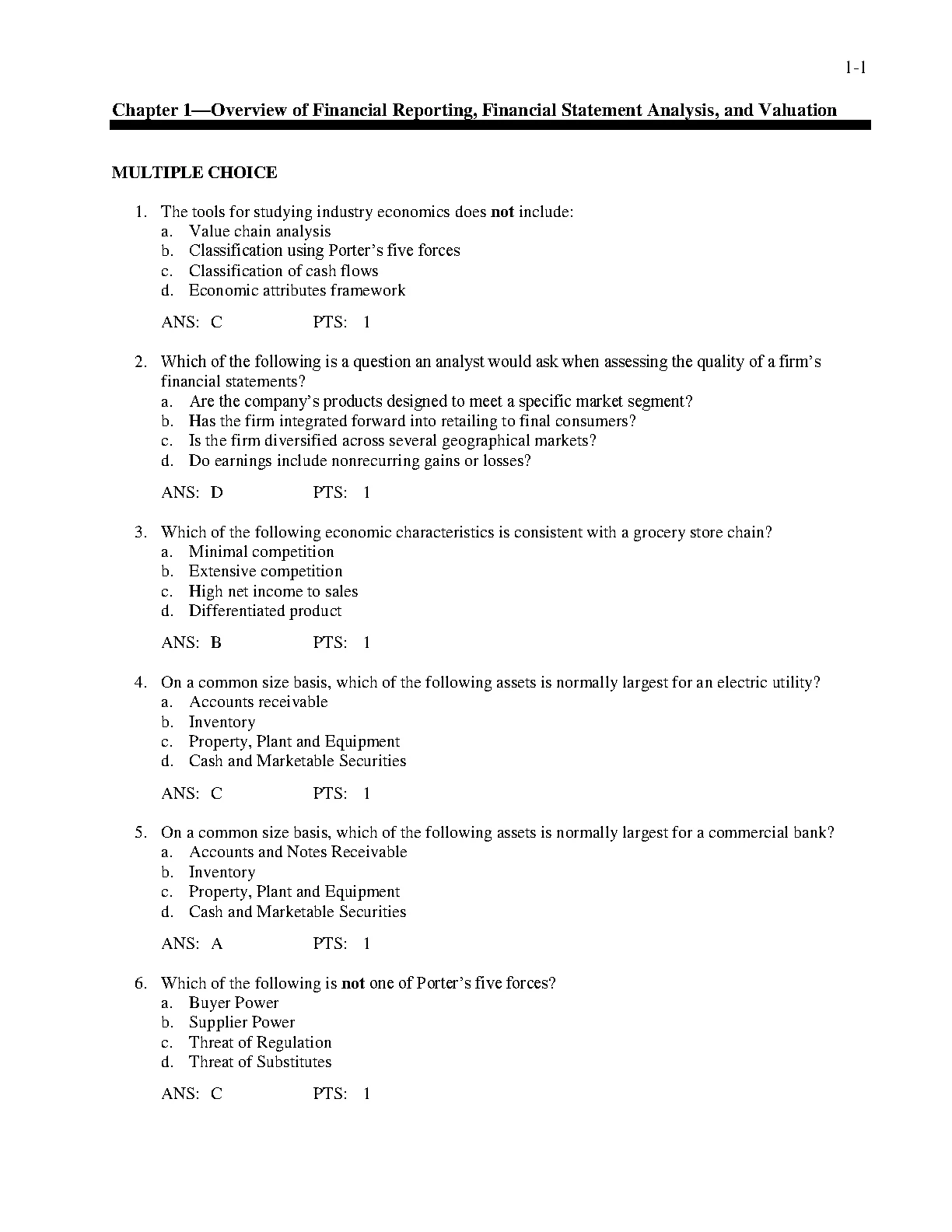
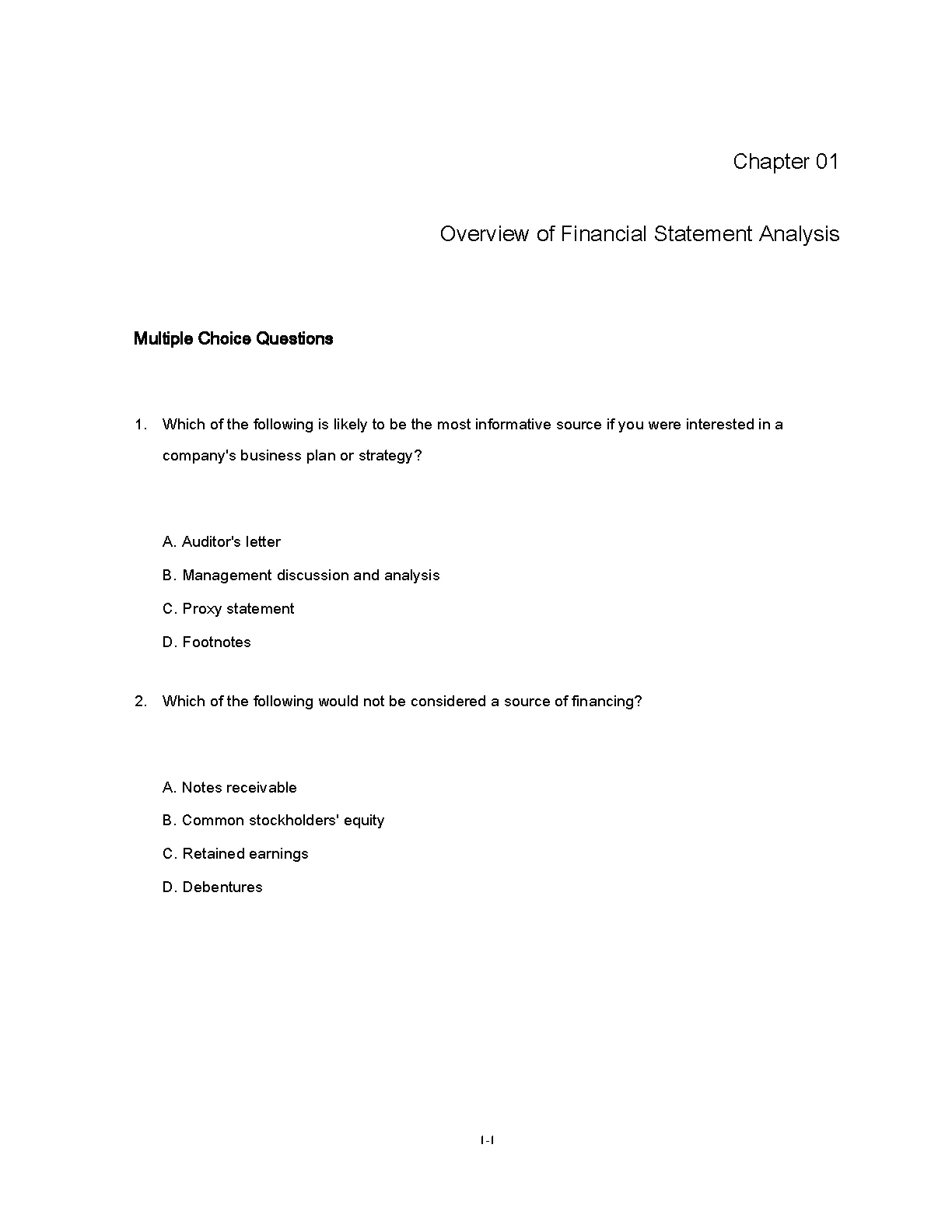
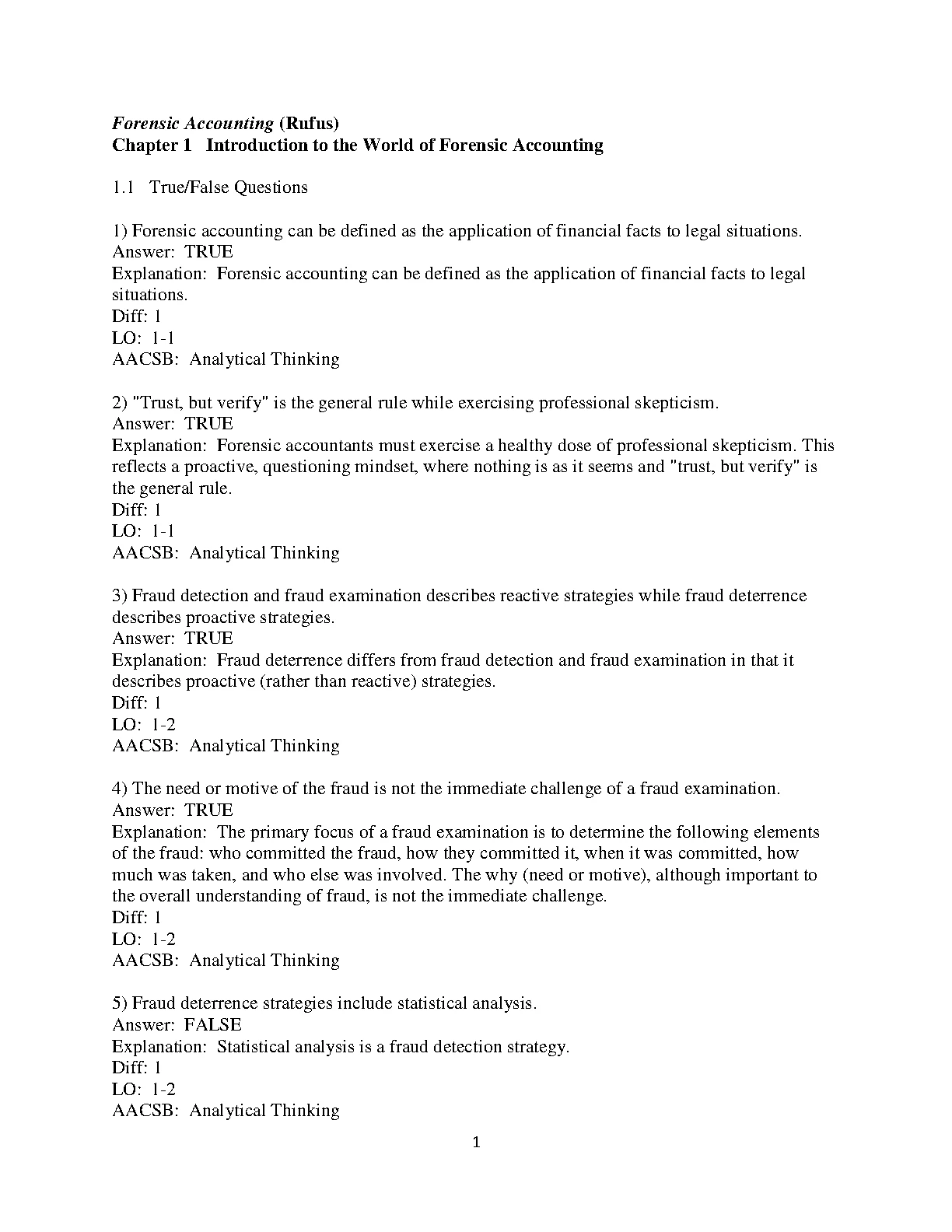
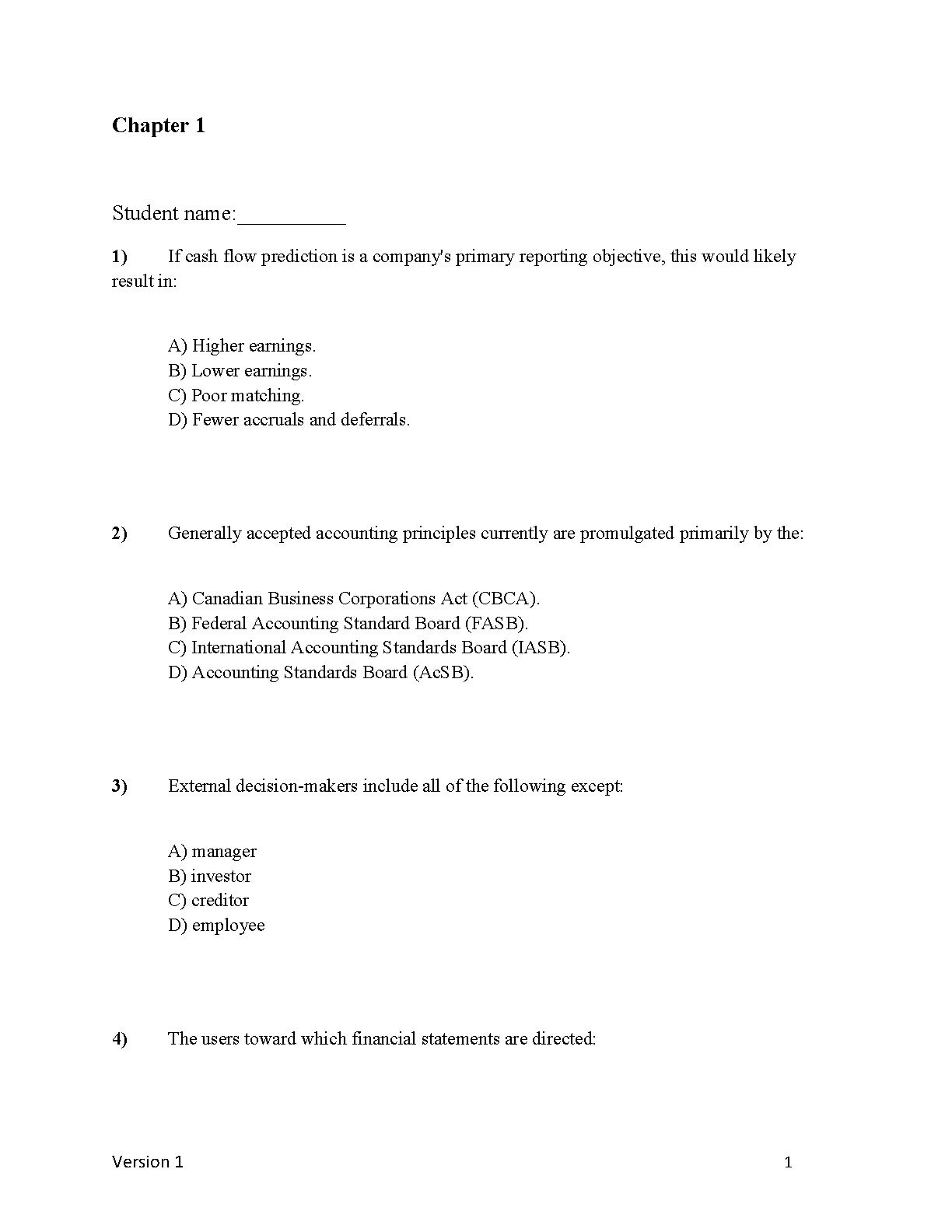


Test Bank For Financial Statement Analysis, 13th Edition by Charles H. Gibson
4.1
Financial Statement Analysis by Charles H. Gibson 13th Edition
View example
Details
Comments
Reviews

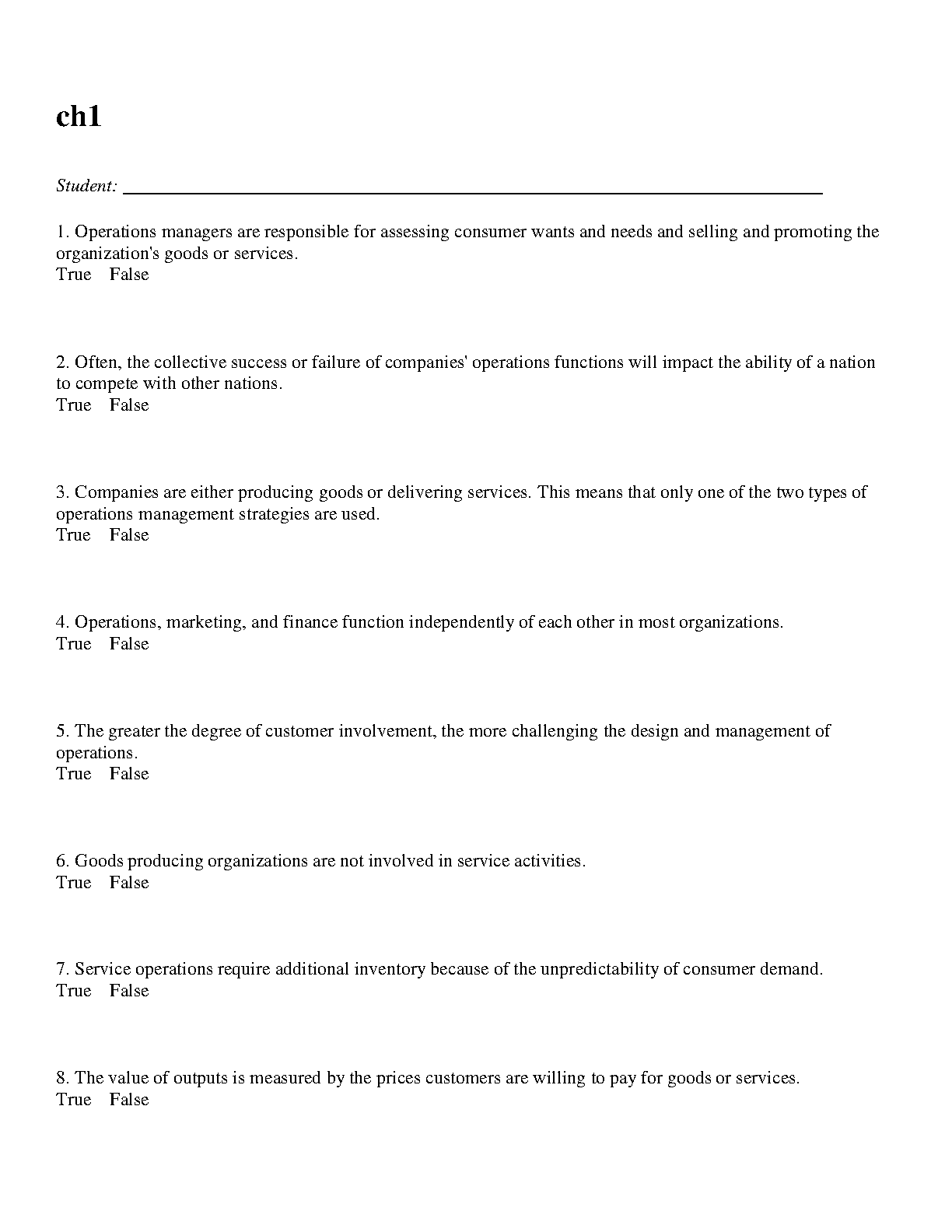
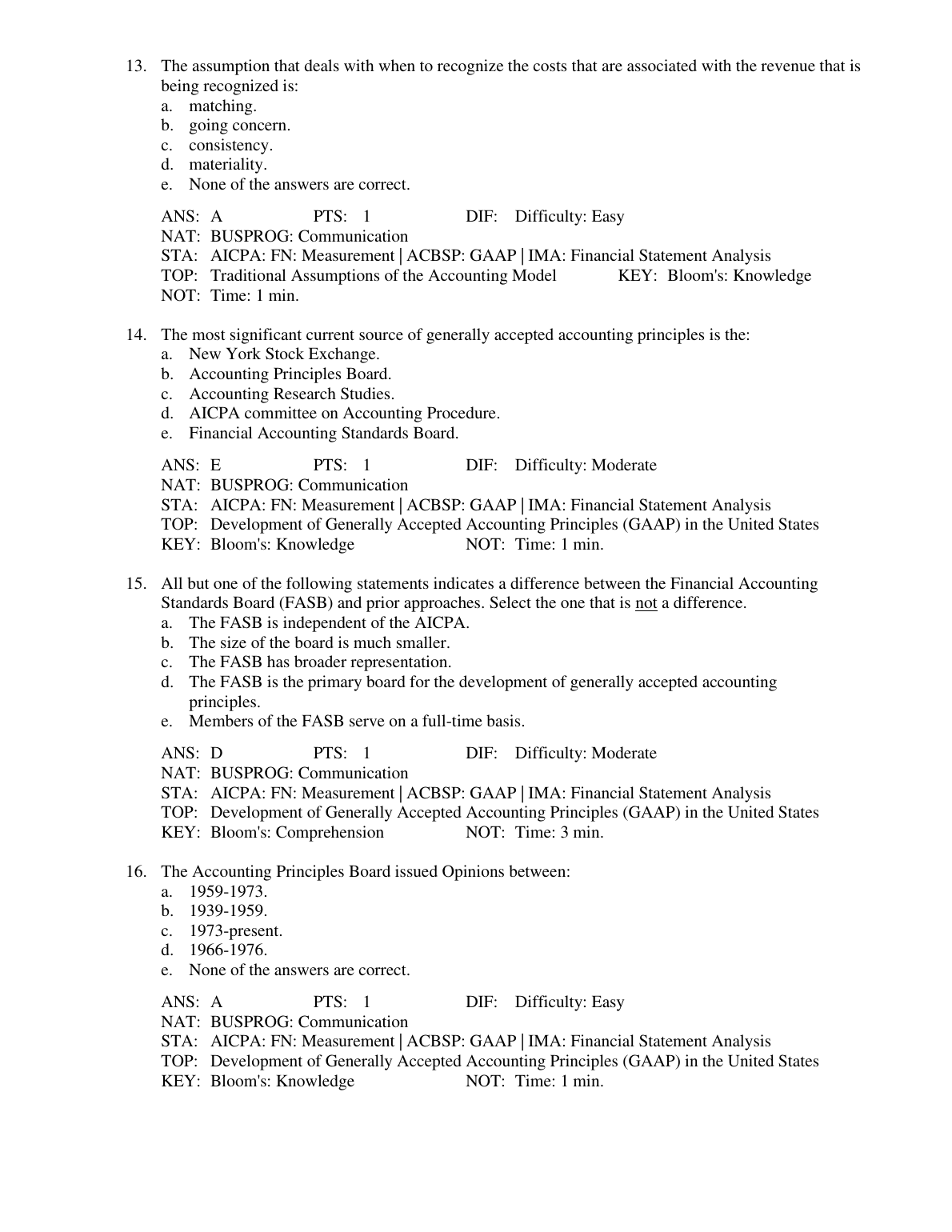
Test Bank for Financial Statement Analysis, 13th Edition by Charles H. Gibson is a supplementary educational resource designed to support students studying financial statement analysis and financial reporting. The material can help reinforce concepts involved in interpreting financial information and evaluating the financial condition and performance of businesses.


The resource supports coursework review, self-assessment, concept reinforcement, and examination preparation. It complements study of major financial statements, comparative analysis, ratio analysis, cash flow information, profitability, liquidity, solvency, and other indicators used to assess organizational performance.


Students can develop analytical skills by examining accounting information from different perspectives and connecting financial statement data with business and investment decisions. The material is suitable for accounting, finance, and business courses that emphasize practical financial analysis.


Key Topics


  • Financial statement analysis

  • Financial reporting

  • Balance sheet analysis

  • Income statement analysis

  • Statement of cash flows

  • Financial ratio analysis

  • Comparative financial analysis

  • Horizontal analysis

  • Vertical analysis

  • Trend analysis

  • Liquidity analysis

  • Solvency analysis

  • Profitability analysis

  • Efficiency analysis

  • Financial performance

  • Earnings analysis

  • Cash flow analysis

  • Working capital

  • Capital structure

  • Asset utilization

  • Financial forecasting

  • Investment analysis

  • Business performance evaluation

  • Financial decision-making


Learning Objectives


  1. Explain the purpose of financial statement analysis.

  2. Identify the major financial statements used in analysis.

  3. Interpret balance sheet information.

  4. Analyze income statement information.

  5. Evaluate cash flow information.

  6. Apply horizontal analysis techniques.

  7. Apply vertical analysis techniques.

  8. Interpret financial trends.

  9. Calculate and interpret financial ratios.

  10. Evaluate liquidity and short-term financial position.

  11. Analyze solvency and long-term financial risk.

  12. Evaluate profitability and operating performance.

  13. Assess asset utilization and operational efficiency.

  14. Analyze working capital information.

  15. Evaluate capital structure.

  16. Interpret earnings and cash flow measures.

  17. Compare financial performance across periods.

  18. Use financial information to evaluate business performance.

  19. Connect financial analysis with investment decisions.

  20. Apply financial statement analysis techniques to business situations.